


News
SEAKNOT Project Concludes with Strengthened European Cooperation in Severe Accident Research
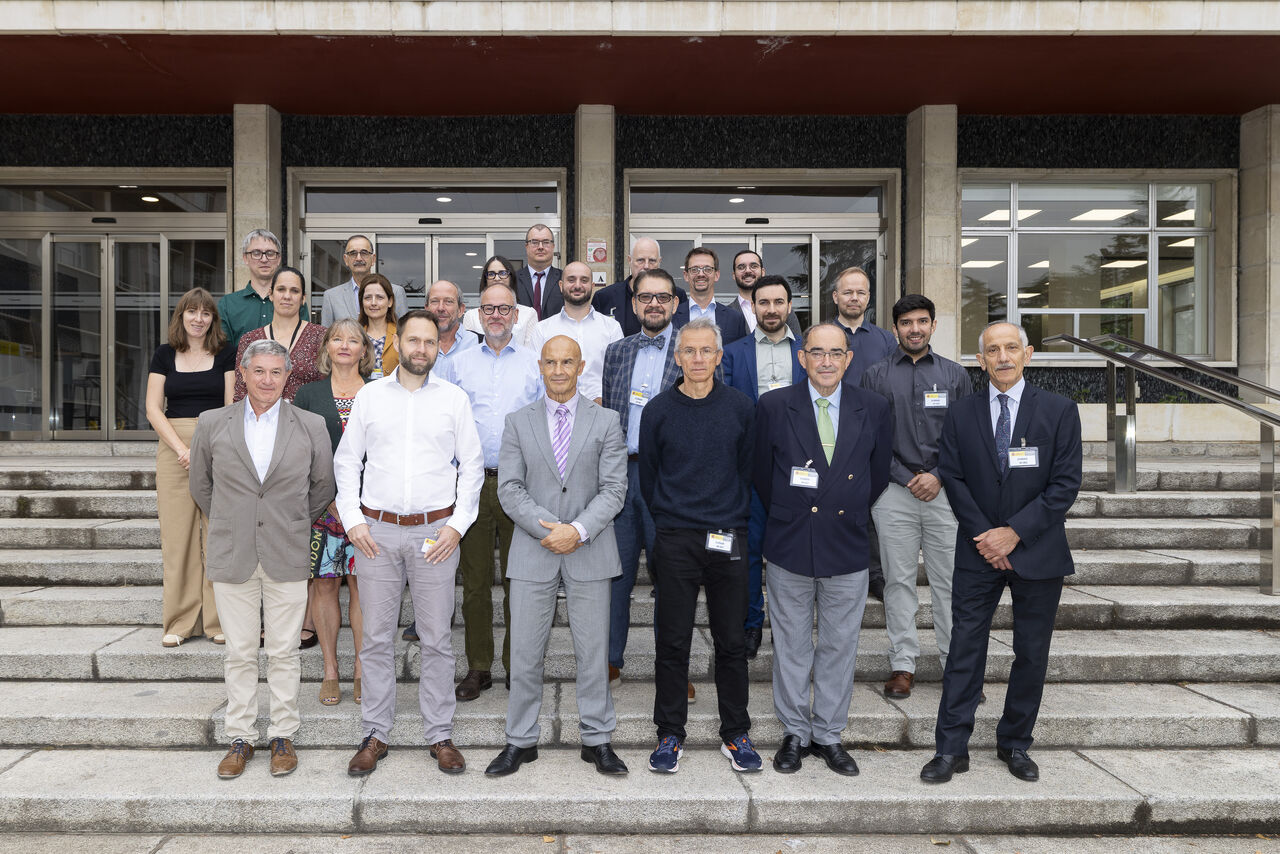
On 28 and 29 September 2026, the SEAKNOT Project consortium gathered at CIEMAT in Madrid for the project’s final meeting, marking the conclusion of a collaborative effort dedicated to strengthening European cooperation in severe accident research.
Throughout the project, SEAKNOT has brought together scientific research, knowledge preservation, experimental infrastructure and education, helping to strengthen the links between researchers and research facilities across Europe.
Key project achievements
The project has delivered several important results aimed at improving the coordination and accessibility of severe accident research in Europe.
PIRT Methodology
SEAKNOT developed and applied a Phenomena Identification and Ranking Table (PIRT) methodology to identify and prioritise severe accident phenomena, as well as related research needs.
Severe Accident Database Directory
The project created the Severe Accident Database Directory (SADD), which organises critical information on experimental facilities, research programmes and available data. The directory contributes to a more structured overview of the resources available to the European severe accident research community.
Severe Accident Infrastructure Network
SEAKNOT also launched the Severe Accident Infrastructure Network (SAINET), supporting cooperation and connections among European research infrastructures and facilities.
Education and knowledge transfer
Education and knowledge transfer have been an important part of the project. Activities included SAP courses, SASCamp training, mobility programmes, mentoring, ERMSAR conferences and open workshops, providing opportunities to share expertise and support the development of knowledge and skills in severe accident research.
Towards a European roadmap for severe accident research
Together, these achievements contribute to the overarching goal of SEAKNOT: developing a comprehensive roadmap for European severe accident research.
The roadmap aims to help identify what research is needed, where it can be performed, and how research activities can be coordinated across Europe, supporting a more connected and effective European research community.
The project’s final meeting in Madrid provided an opportunity for consortium partners to review these achievements and bring the collaborative work of SEAKNOT-EU to a close.
Continued access to project outputs
The SEAKNOT consortium would like to thank all the partners, researchers, students and experts who contributed to the project and its results.
The project’s publications and outputs will be made openly available through the SEAKNOT resource page, ensuring that the knowledge and resources developed during the project remain accessible to the wider research community.
SEAKNOT contributes to the broader European efforts to advance nuclear safety research and cooperation, including within the EURATOM and SNETP communities.
ERMSAR 2026 was supported by the European project SEAKNOT, funded by the Euratom Research and Training Programme 2021–2023 of the European Union. The event was organized by CIEMAT, with the collaboration of several European and international partners, including ENUSA, Westinghouse, KIT, SNETP, the IAEA and the OECD Nuclear Energy Agency.