

News
ERMSAR 2026 Highlights the Strategic Role of SEAKNOT in Advancing Severe Accident Research
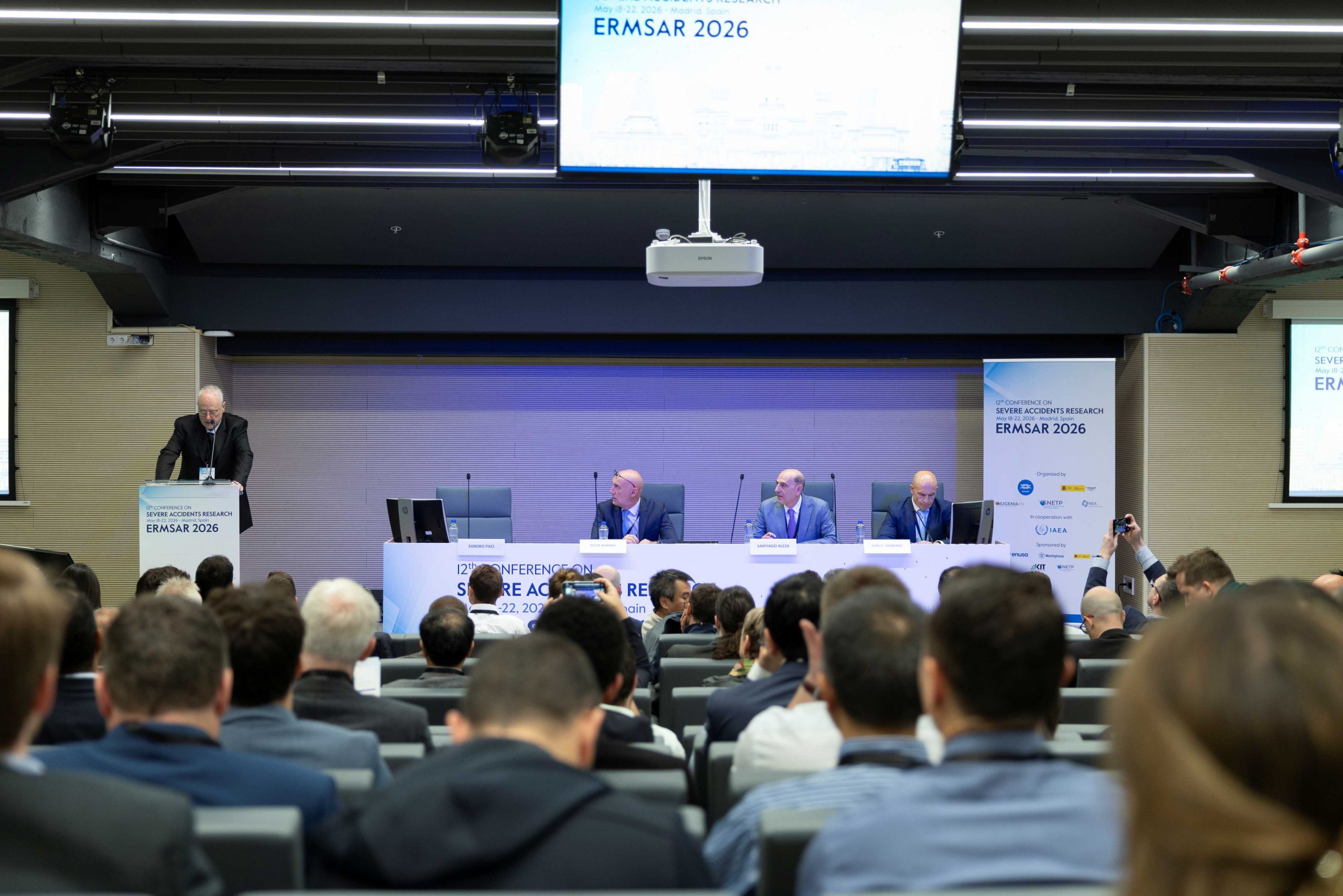
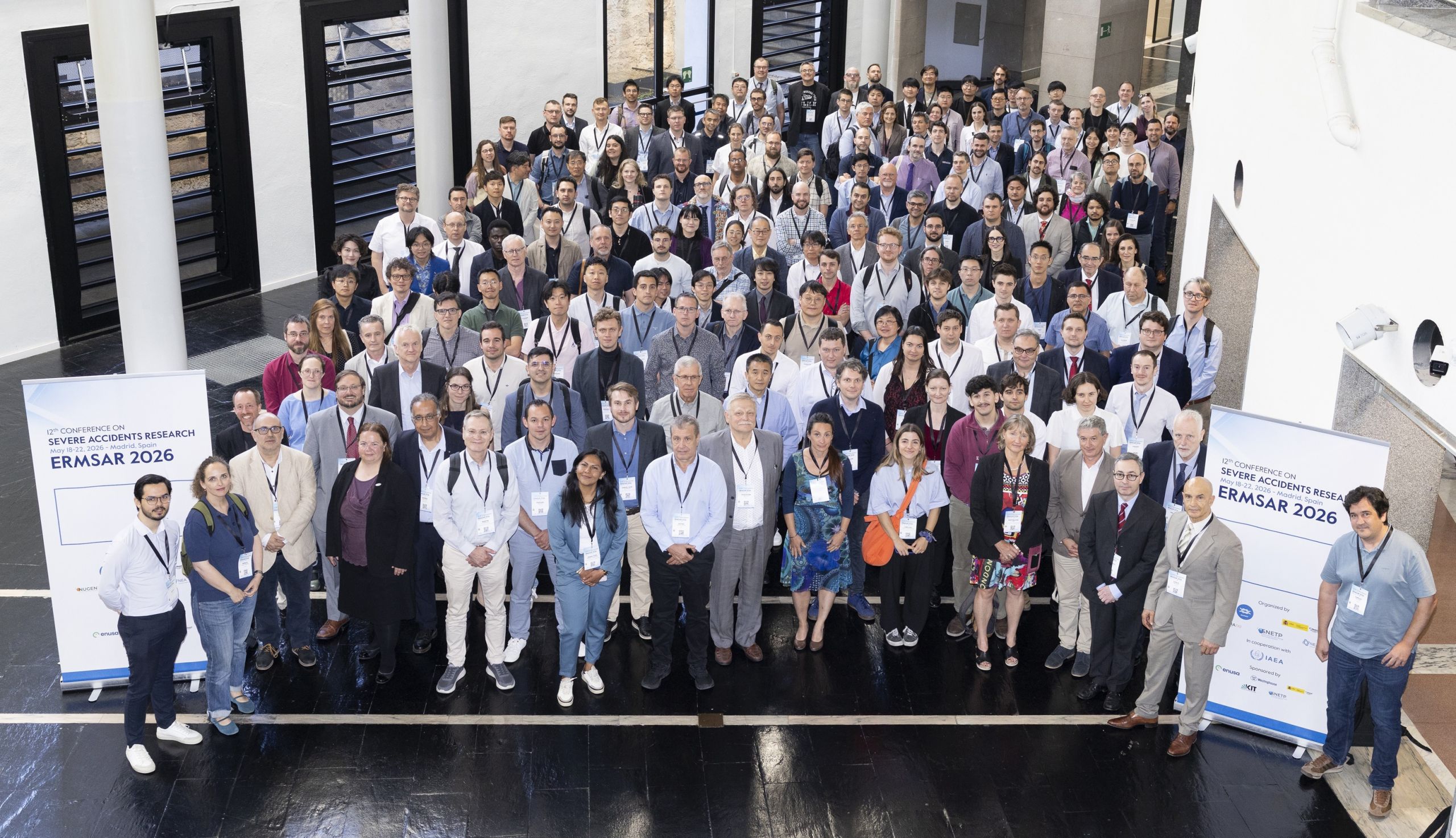
The European Review Meeting on Severe Accident Research, ERMSAR 2026, brought together more than 220 specialists from 27 countries from all over the world in Madrid for one of the most important international forums dedicated to severe accident research in nuclear installations.
The 12th edition of the conference was held within the framework of the European project SEAKNOT, reinforcing the project’s role as a key platform for scientific exchange, technical coordination and international collaboration in the field of nuclear safety. By supporting ERMSAR 2026, SEAKNOT contributed to strengthening links between researchers, regulators, industry, universities and international organizations working on the prevention, mitigation and analysis of severe accidents.
Over four days, participants discussed the latest scientific and technical developments related to severe accident phenomenology, hydrogen behaviour, corium management, risk assessment methodologies and simulation tools. The programme also addressed safety challenges connected with emerging nuclear technologies, including Small Modular Reactors, Generation IV systems, advanced fuels and applications related to fusion.
SEAKNOT as a European framework for knowledge integration
ERMSAR 2026 provided an important opportunity to showcase the value of SEAKNOT as a European framework for integrating knowledge, identifying research needs and promoting coordinated action in nuclear safety. The conference reflected the project’s mission to support the development, preservation and transfer of expertise in severe accident research, ensuring that scientific knowledge remains accessible and useful for both current and future nuclear technologies.
More than 150 scientific contributions were presented during the event, covering both conventional reactors and innovative nuclear systems. The discussions confirmed the importance of maintaining a strong European research community capable of addressing complex safety questions through shared methodologies, experimental evidence and advanced modelling capabilities.
International cooperation at the heart of nuclear safety
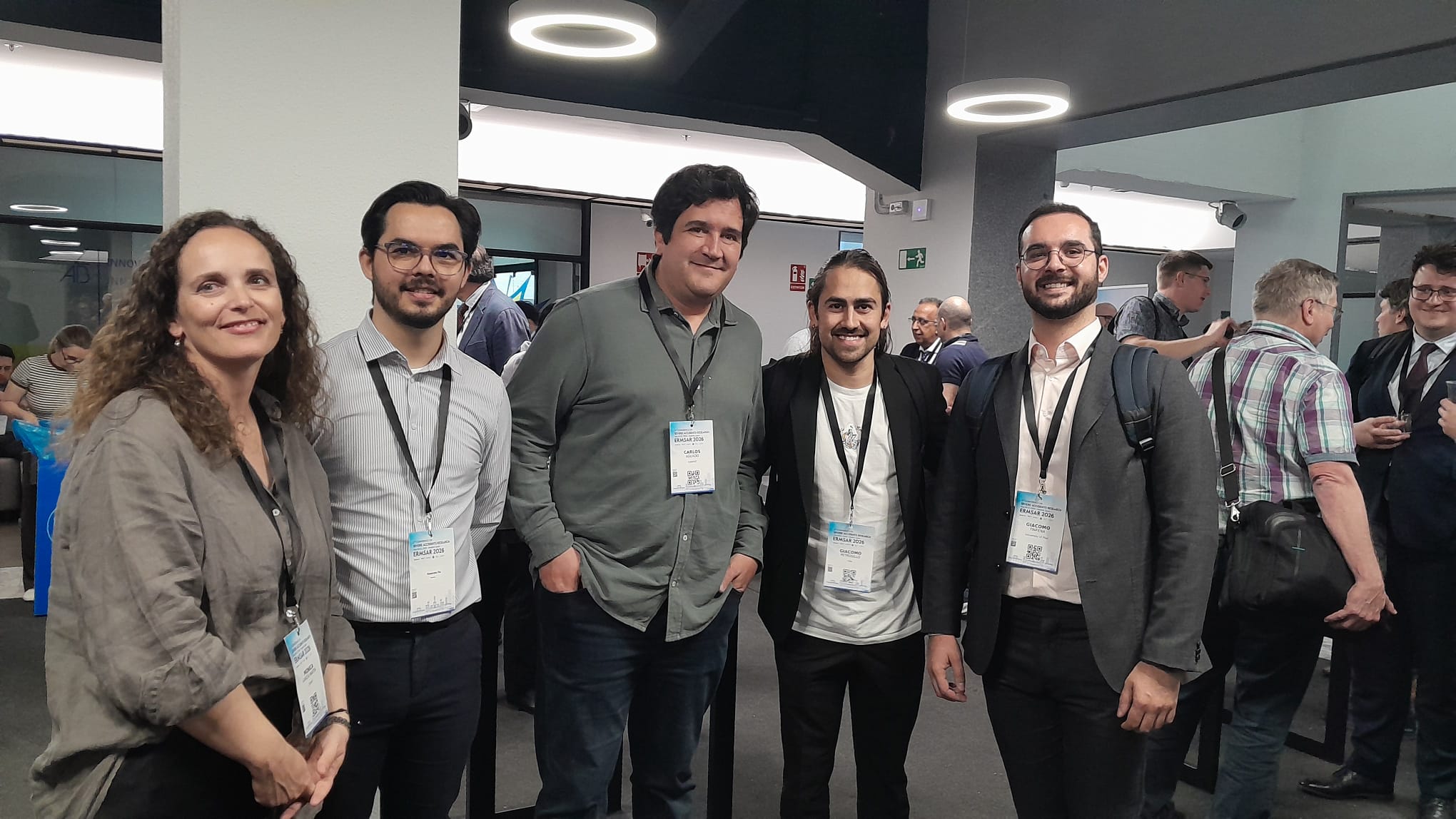
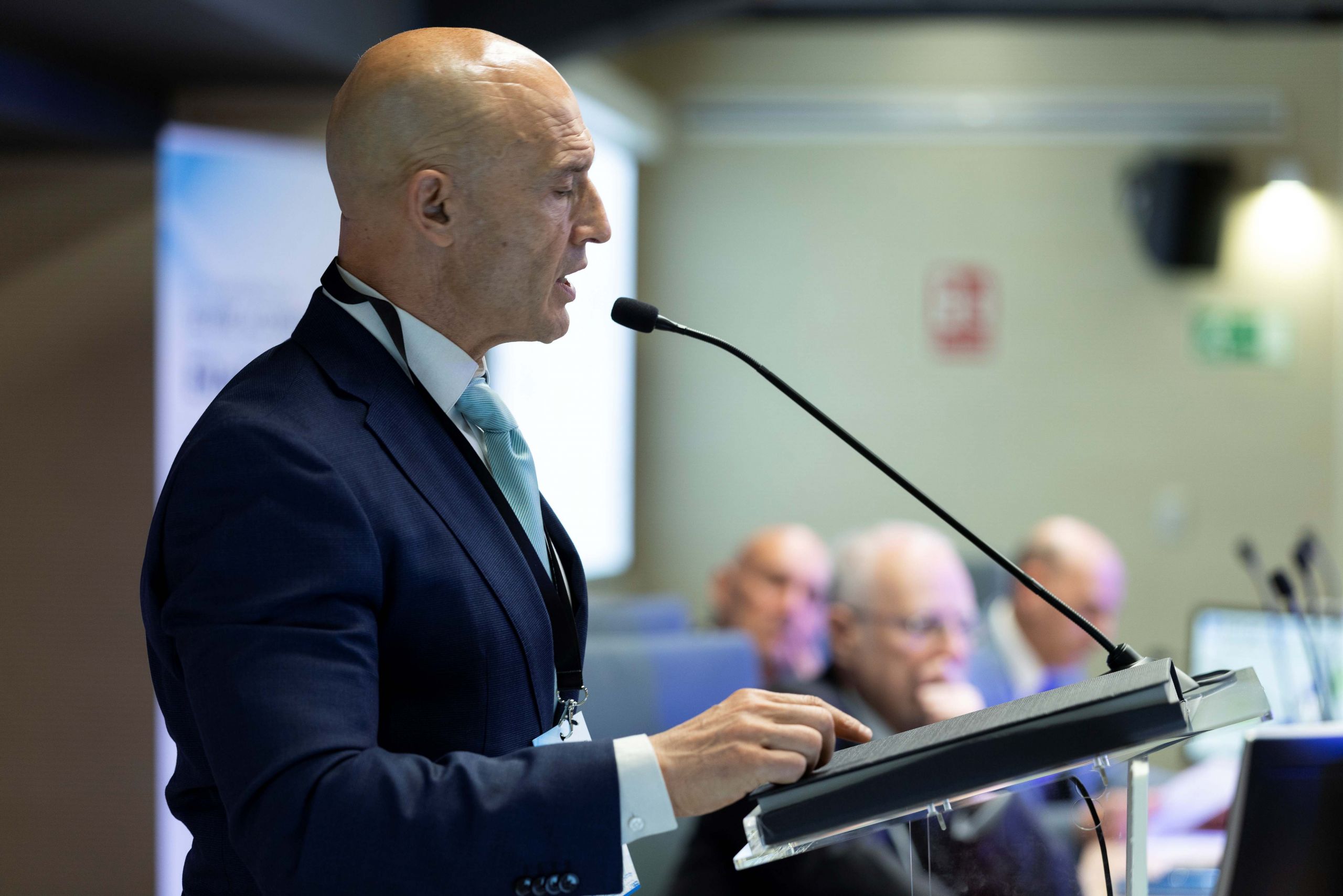
The scientific programme included plenary lectures, technical sessions, and expert panels featuring contributions from international organizations such as IAEA and OECD NEA. In addition to strong European representation, the event welcomed participants from research centers, universities, technology organizations, and energy companies across the globe from United States and Canada to Japan, China and South Korea. As Spain was the country hosting the event, a numerous local community were present representing the academia, the industry, the regulatory and the research center, with delegates crossing over all ages, from young researchers to senior experts.
This broad participation underlined one of the central messages of ERMSAR 2026: progress in nuclear safety depends on sustained international cooperation. SEAKNOT and NUGENIA TA2 support this objective by helping to connect communities, structure research priorities and facilitate the exchange of knowledge across institutions and countries.
Building on two decades of ERMSAR
ERMSAR has developed over more than two decades, originating from European research networks such as SARNET and later continuing under the NUGENIA and SNETP framework. Today, it is widely recognized as a reference meeting for the global severe accident research community.
The 2026 edition continued this tradition by combining plenary sessions, parallel technical tracks, specialized discussions and technical activities. The meeting also created a valuable space for young researchers to engage with experienced experts, helping to ensure the continuity of knowledge and expertise in the field.
Next steps
The scientific contributions presented at ERMSAR 2026 will be published by KIT Library in open conference proceedings, with an international DOI. A selection of papers will also be considered for a special issue of Annals of Nuclear Energy, further extending the impact of the research shared during the meeting.
ERMSAR 2026 also marked the launch of the next edition of the conference, ERMSAR 2028, which will take place in Bled, Slovenia. The announcement confirmed the continuity of this important international forum and its role in supporting long-term cooperation in severe accident research.
ERMSAR 2026 was supported by the European project SEAKNOT, funded by the Euratom Research and Training Programme 2021–2023 of the European Union. The event was organized by CIEMAT, with the collaboration of several European and international partners, including ENUSA, Westinghouse, KIT, SNETP, the IAEA and the OECD Nuclear Energy Agency.